
Why Consistency Builds Trust

Updated: Sep 18
The Psychology of Familiarity in Branding
Volume 2: The strongest brands aren't always the loudest. More often, they're the ones our brains learn to recognise with confidence.
Introduction
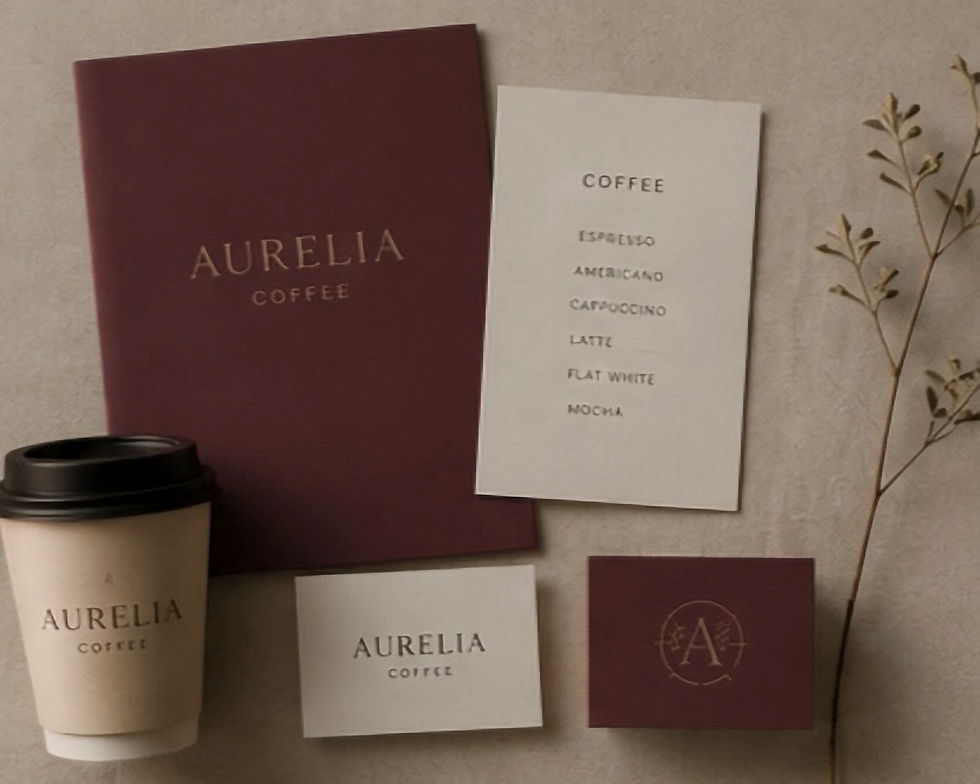
Imagine walking into your favourite coffee shop.
The logo hasn't changed.
The colours are familiar.
The cups look the same.
The music feels familiar.
Even the way your coffee is served feels reassuringly consistent.
You don't consciously analyse each of these details. Instead, your brain quietly registers something much simpler:
"I know this place."
That feeling of familiarity creates comfort, and comfort often becomes trust.
Brands rarely earn trust through a single interaction. Trust is built through repetition. Every consistent logo, colour palette, Instagram post, email, and customer experience reinforces the same mental association.
In branding, consistency isn't about avoiding creativity. It's about reducing uncertainty.
Section One
Familiarity Creates Comfort
The human brain is constantly looking for patterns.
Every day, we're exposed to thousands of decisions, so our brains rely on mental shortcuts to reduce effort. One of the simplest shortcuts is familiarity.
Psychologist Robert Zajonc described this phenomenon as the Mere Exposure Effect. His research found that repeated exposure to something often increases our preference for it, even when we don't consciously realise we've seen it before.
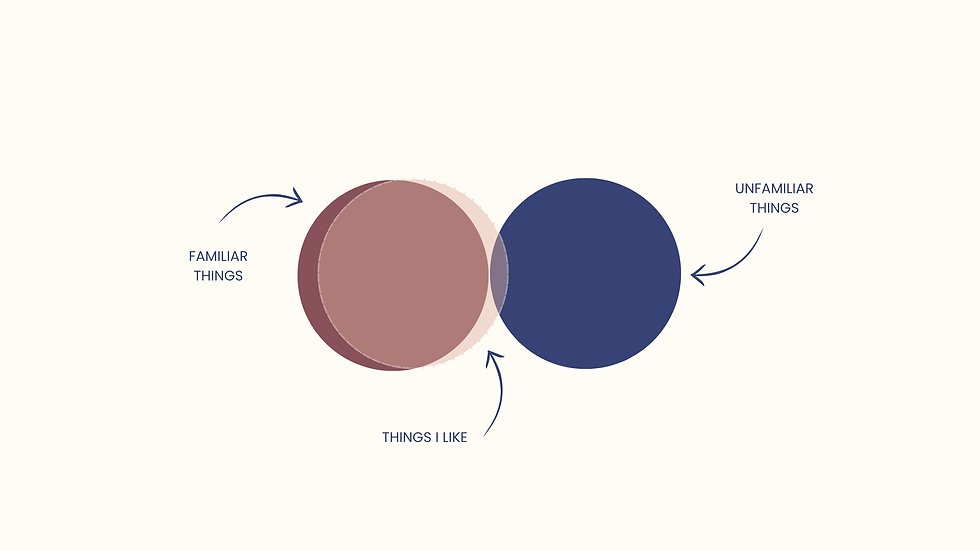
This doesn't mean we'll love every brand we see repeatedly. Rather, familiarity reduces uncertainty. Something we've encountered before feels easier to process, and that ease can make it feel more trustworthy.
This principle helps explain why established brands often feel more reliable than unfamiliar ones, even before we've compared products or read reviews.
In branding, every repeated interaction becomes another opportunity to strengthen recognition.
Section Two
Why Consistency Matters More Than Creativity
Many businesses believe they need to reinvent themselves every few months.
A new logo.
A different colour palette.
A trendy font.
A completely new Instagram aesthetic.
While change can feel exciting internally, it often resets recognition externally.
Every time a business changes its visual identity without a clear strategic reason, it asks customers to learn the brand all over again.
Strong brands do the opposite.
They create a recognisable visual system that people can identify instantly.
Think about brands like:
Apple
Coca-Cola
IKEA
Airbnb
Their campaigns evolve, but their core identity remains remarkably consistent.
Consistency isn't repetitive.
It's memorable.
Section Three
Building Memory Structures
Marketing scientist Byron Sharp argues that successful brands grow by becoming easier to notice and easier to remember.
This happens through the repeated use of what he calls distinctive brand assets.
These include:
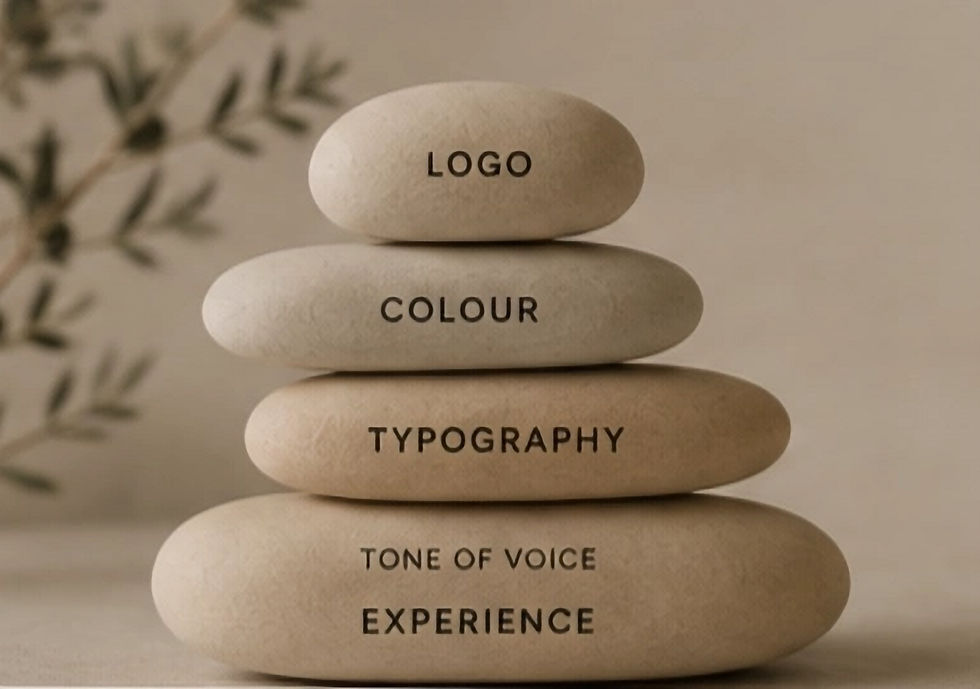
Logos
Colours
Typography
Packaging
Taglines
Shapes
Sounds
Photography style
Together, these elements create a memory structure.
Over time, customers don't need to read your name to recognise you. They begin identifying your brand through familiar visual cues alone.
Recognition becomes almost automatic.
Section Five
Applying This to Your Own Brand
Consistency doesn't mean every post should look identical.
It means every interaction should feel like it belongs to the same brand.
Ask yourself:
Would someone recognise this as my business without seeing my logo?
If the answer is no, your brand may need stronger visual systems.
Instead of chasing trends every month, invest in assets that remain recognisable over time.
Consistency builds familiarity.
Familiarity builds confidence.
Confidence builds trust.
Brand Takeaways
✓ Trust grows through repeated, consistent experiences rather than one impressive interaction.
✓ Every consistent visual and verbal cue strengthens your brand's memory in the minds of customers.
✓ Strong branding isn't about constant reinvention. It's about becoming instantly recognisable.
Further Reading
Books
How Brands Grow by Byron Sharp
Influence by Robert Cialdini
The Brand Gap by Marty Neumeier
Thinking, Fast and Slow by Daniel Kahneman
Researchers
Robert Zajonc (Mere Exposure Effect)
Byron Sharp
Jennifer Aaker
Daniel Kahneman
Academic Reading
Zajonc, R. B. (1968). Attitudinal Effects of Mere Exposure.
Sharp, B. (2010). How Brands Grow.
Final Thoughts
Every interaction your audience has with your brand leaves a trace.

On its own, a single Instagram post or website visit may seem insignificant. But together, these moments accumulate into something far more valuable: recognition.
When your visual identity, messaging and customer experience consistently reinforce one another, your brand becomes easier to remember and easier to trust.
Consistency isn't the absence of creativity. It's the framework that allows creativity to strengthen, rather than dilute, your identity.
Because in branding, people rarely trust what surprises them every day.
They trust what they recognise.


Comments